
Why Do My Dentures Slip When I Talk and How Can I Fix It

A denture that lifts, clicks, or slides in the middle of a sentence can feel frustrating and embarrassing. Talking should not require constant checking, biting down, or avoiding certain words. The good news is that slipping dentures are common, and in many cases, the cause can be found and corrected.
This article is for general information only and is not a substitute for care from a dentist or denture specialist.
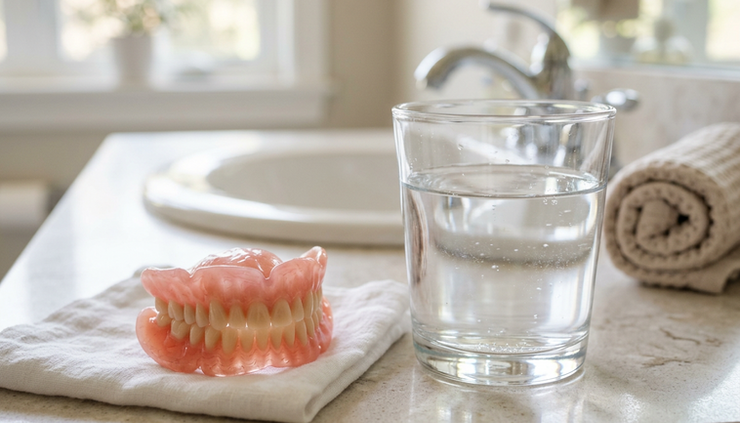
Why dentures can slip during speech
Speaking uses more movement than many people realize. The tongue, cheeks, lips, jaw, and soft palate all work together to form words. If a denture is even slightly unstable, those movements can loosen the seal and cause slipping.
A denture that moves while talking may be caused by one issue, or by several small issues happening at the same time.
Your dentures may not fit properly
Dentures need a close fit against the gums and the shape of the mouth. If the denture base does not match the mouth well, air and saliva can get under it. That weakens suction and makes movement more likely.
Fit problems can happen if:
The denture was never fitted correctly
The bite does not line up evenly
The denture has worn down over time
A repair changed the shape slightly
The denture is older and no longer matches the mouth
Upper dentures often rely more on suction against the roof of the mouth. Lower dentures can be harder to stabilize because the tongue and floor of the mouth are constantly moving.
If dentures slip mostly when saying certain words, laughing, or speaking quickly, fit may be part of the problem.
Your gums and jaw can change shape
The mouth is not fixed in place forever. After natural teeth are removed, the jawbone slowly changes shape. Gums can also shrink or shift over time. This is a normal process, but it can make a once-comfortable denture feel loose.
These changes may be more noticeable if dentures are several years old. A denture that fit well at first can gradually start to rock, lift, or rub sore spots.
Weight changes, certain health conditions, and some medications that affect dry mouth can also change how dentures feel.

You may need more support from adhesive
Denture adhesive can help improve stability, especially during speaking and eating. It is not meant to fix a poorly fitting denture, but it can add support when the fit is mostly good.
Adhesive may help if your dentures only slip a little or feel less secure near the end of the day. It can also help reduce tiny gaps where food particles or air may get under the denture.
Use adhesive carefully:
Start with a small amount
Apply it to clean, dry dentures
Avoid using more than the product directions recommend
Clean all adhesive off your gums and dentures each night
Using a large amount of adhesive every day is a sign that the denture may need professional adjustment.
How to adjust to speaking with dentures
Even with well-fitting dentures, speech can take practice. The mouth needs time to learn where the denture sits and how to move around it.
Try these simple exercises at home:
Read out loud each day
Choose a book, article, or recipe and read slowly for a few minutes. This helps train tongue and lip movement.
Practice difficult words
Words with “s,” “f,” “th,” and “sh” sounds may feel different at first. Repeat them slowly, then build up speed.
Speak in front of a mirror
Watching jaw and lip movement can help reduce overcompensating.
Bite down gently before speaking
A light bite can help seat the dentures before starting a sentence. Do not clench hard.
Slow your pace for now
Speaking too quickly can break the seal. A slightly slower pace gives the mouth more control.
With practice, speech usually becomes more natural. If it does not improve, the denture may need adjustment.
Do not try to reshape dentures at home
It can be tempting to file, bend, glue, or trim a denture that feels loose or uncomfortable. This can damage the denture and may create sore spots or bite problems.
A dentist can adjust pressure points, check the bite, and decide whether a reline, rebasing, remake, or implant-supported option is the better solution.
A denture reline adds material to the inside of the denture so it fits the current shape of the gums more closely. This is common when gum shape has changed but the denture itself is still in good condition.

Keep your mouth and dentures clean
Oral hygiene plays a big role in comfort and stability. Plaque, food particles, and old adhesive can interfere with the way dentures sit against the gums.
A simple daily routine can help:
Rinse dentures after meals when possible
Brush dentures daily with a denture brush
Clean gums, tongue, and the roof of the mouth with a soft toothbrush
Remove dentures at night unless your dentist gives different instructions
Soak dentures as directed to keep them from drying out or warping
Rinse dentures before putting them back in your mouth
Healthy gums provide a better foundation. If gums are irritated, swollen, or sore, dentures may shift more easily.
When to consult a dentist
Schedule a dental visit if slipping dentures keep happening or get worse. A dentist can check whether the issue is fit, bite alignment, gum changes, dry mouth, or denture wear.
Get help sooner if you notice:
Painful rubbing or sores
Bleeding gums
Dentures that click often during speech
Trouble chewing
A denture that feels loose even with adhesive
Cracks, chips, or sharp edges
Sudden changes in how the denture fits
If dentures are old or have been repaired many times, replacement may be the most comfortable option. For some people, implant-supported dentures may offer more stability, especially for lower dentures.
FAQ
Why do my dentures slip more when I talk than when I eat?
Speech uses quick, repeated movements of the tongue, lips, and cheeks. These movements can break the denture seal, especially if the fit is loose or the bite is uneven.
Can denture adhesive fix loose dentures?
Adhesive can help with mild movement, but it should not be used to hide a poor fit. If you need a lot of adhesive every day, ask a dentist to check the dentures.
How long does it take to speak normally with new dentures?
Many people improve over several weeks with daily practice. If speech still feels difficult after that, the dentures may need adjustment.
Should I sleep with my dentures in?
Most people are advised to remove dentures at night to give the gums a rest and allow cleaning. Follow your dentist’s instructions if your situation is different.

A steadier fit can make speaking easier
Slipping dentures can affect confidence, but it is usually a fixable problem. The cause may be a poor fit, normal gum changes, not enough adhesive support, or a cleaning routine that needs a small adjustment.
Start with gentle speech practice and good daily hygiene. Use adhesive as directed if it helps. If slipping continues, schedule a dental visit rather than trying to adjust the denture yourself. A small professional change can make talking feel much easier and more natural.


